What we do

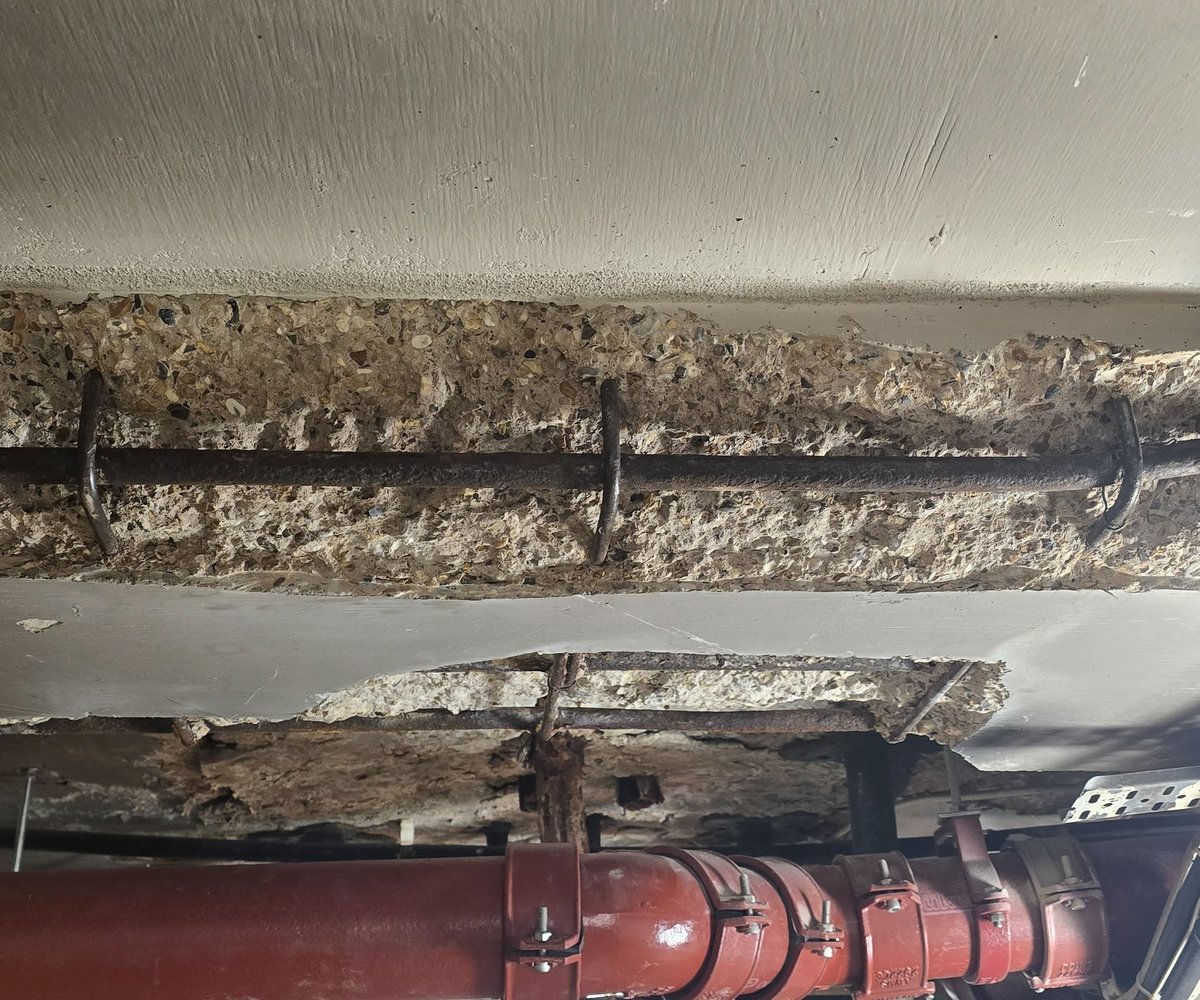
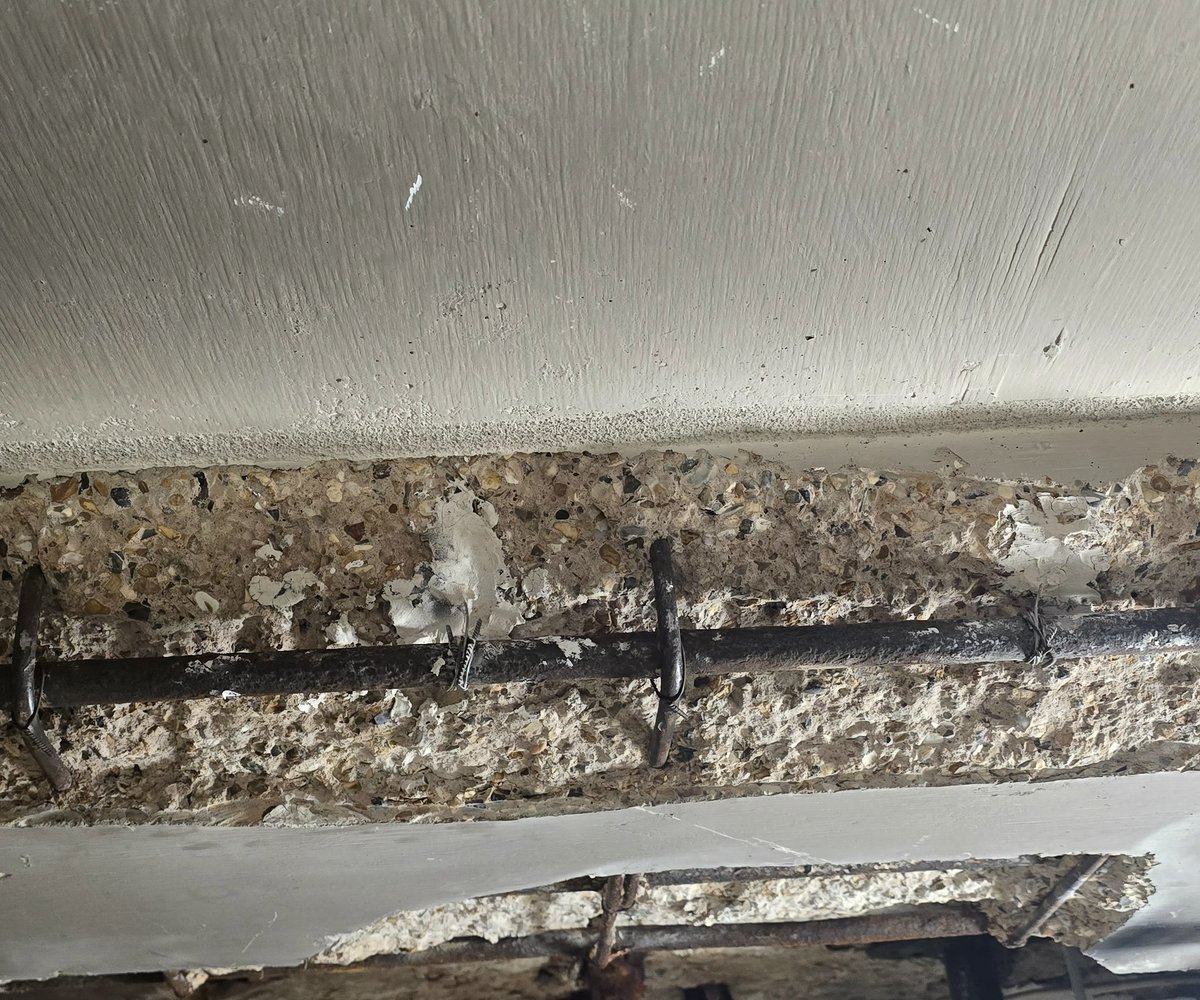
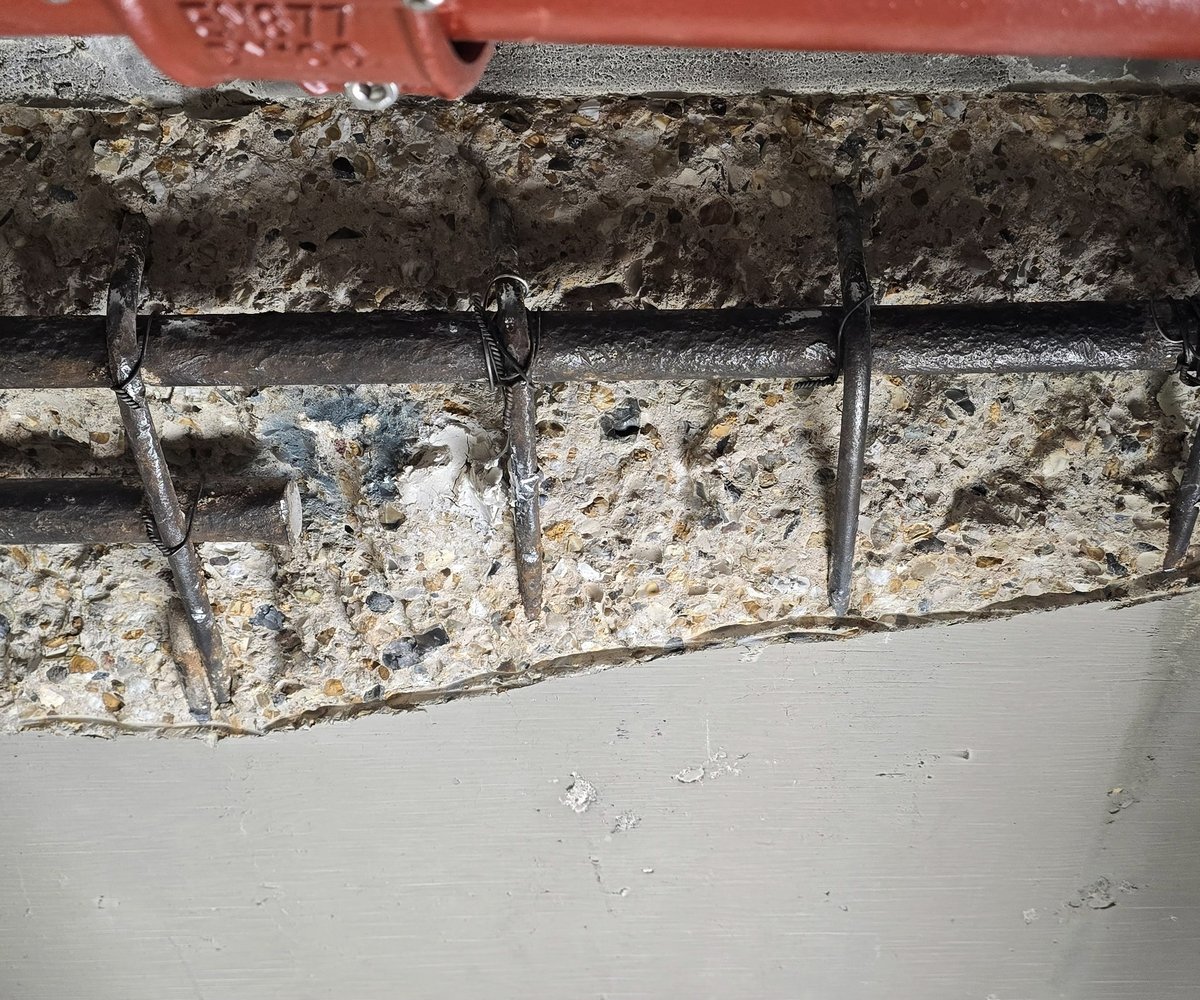
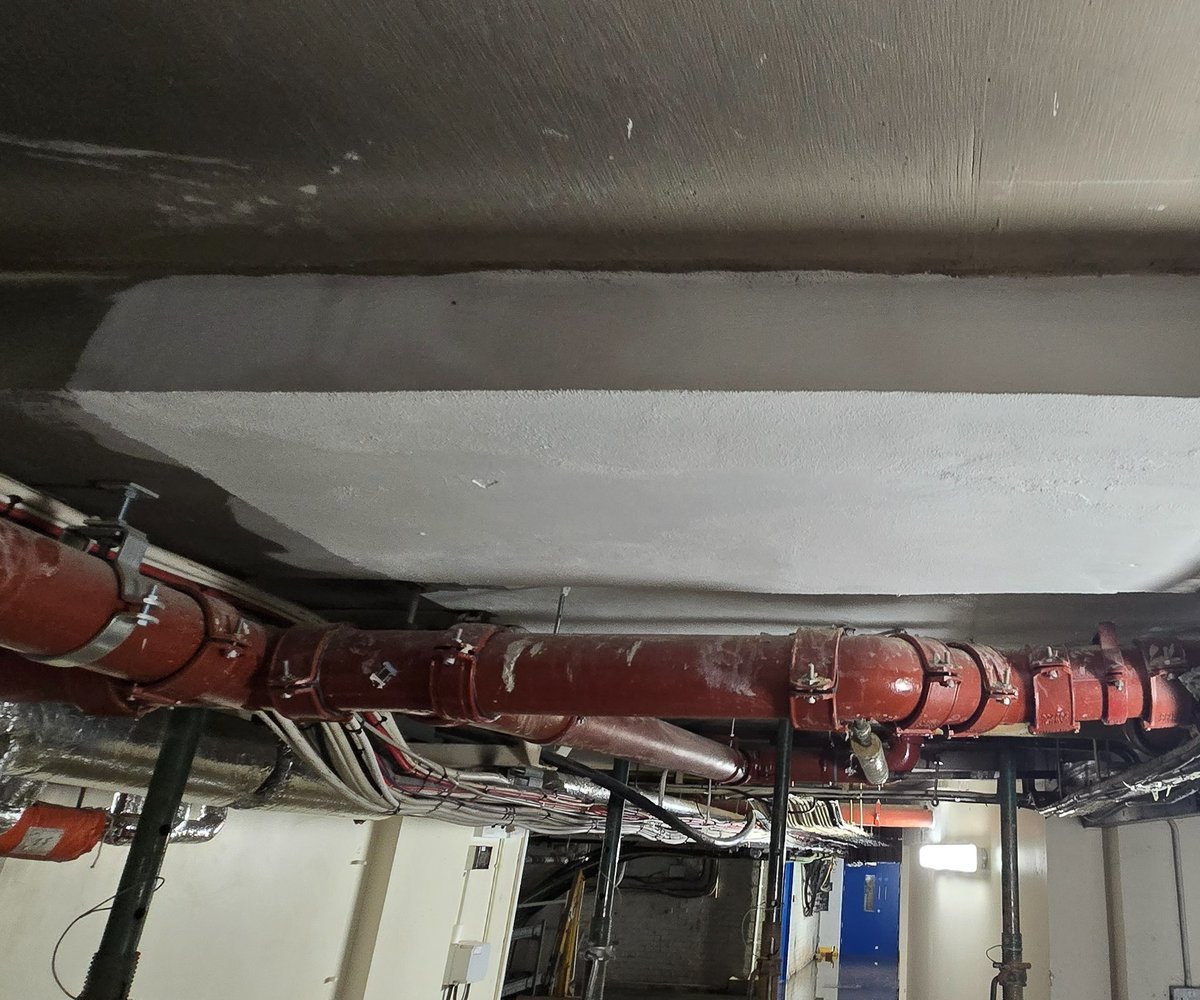
Concrete repairs treat the damage, but not always the cause. Where chlorides or carbonation have reached the reinforcement, the steel just outside a new patch repair can begin to corrode, a problem known as the incipient anode effect. Installing corrosion control at the time of repair protects that steel and extends the life of the repair.

We install galvanic anode and hybrid cathodic protection systems as part of our concrete repair works, and produce the designs for them, from anode type, layout and spacing through to the specification. Because we also carry out the testing that identifies the corrosion risk, one team can take a structure from investigation through to protection.
Galvanic Anodes

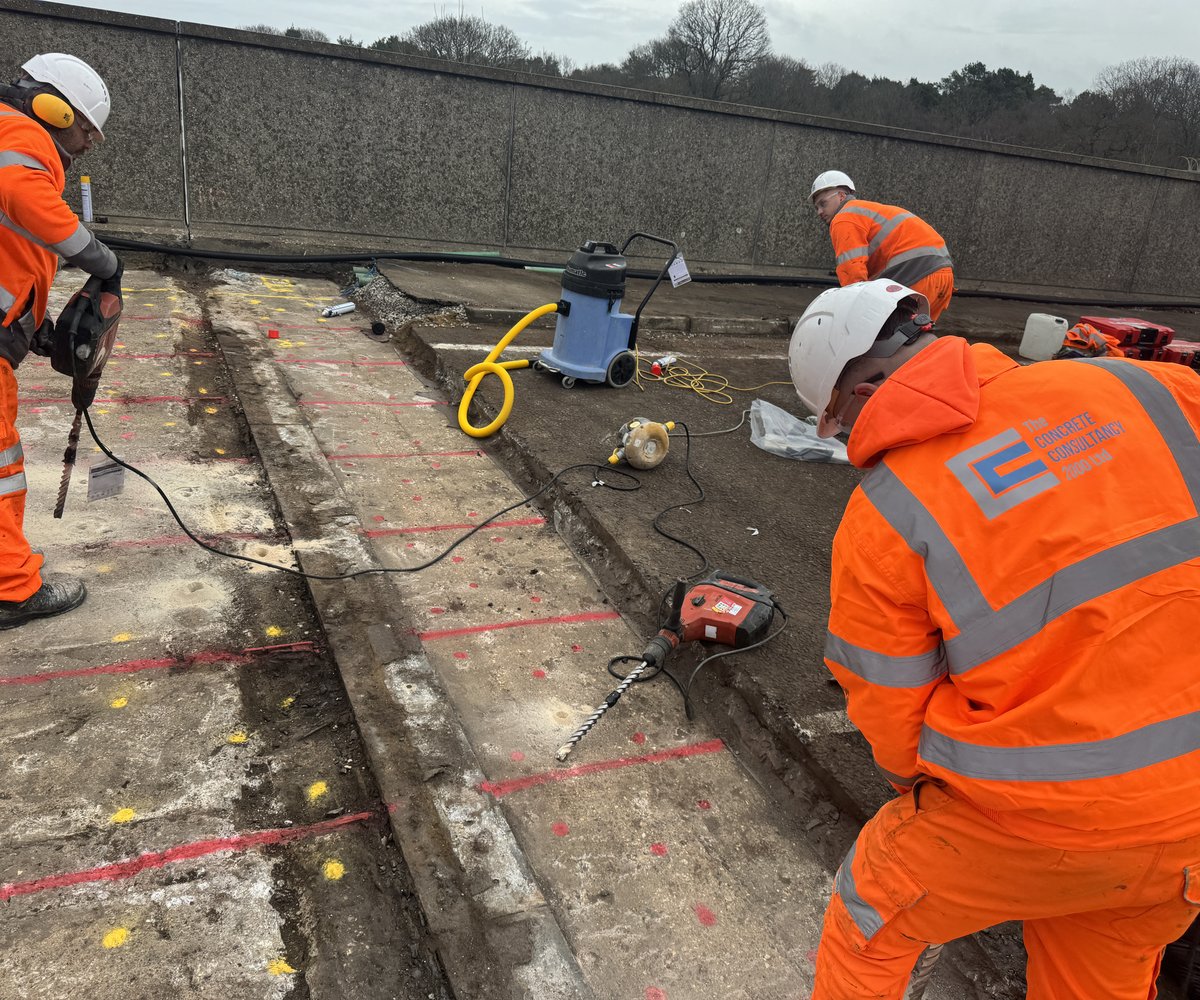
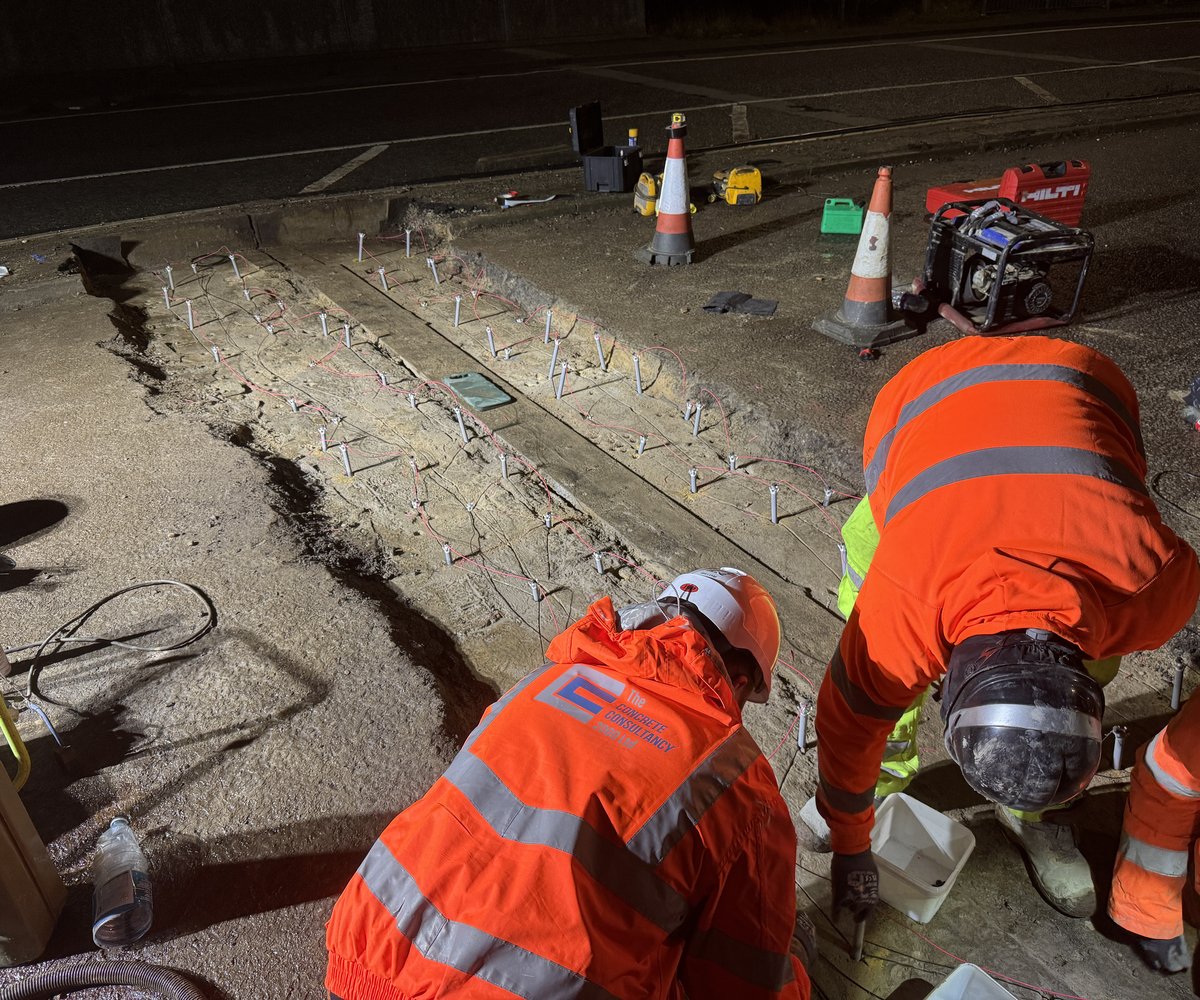
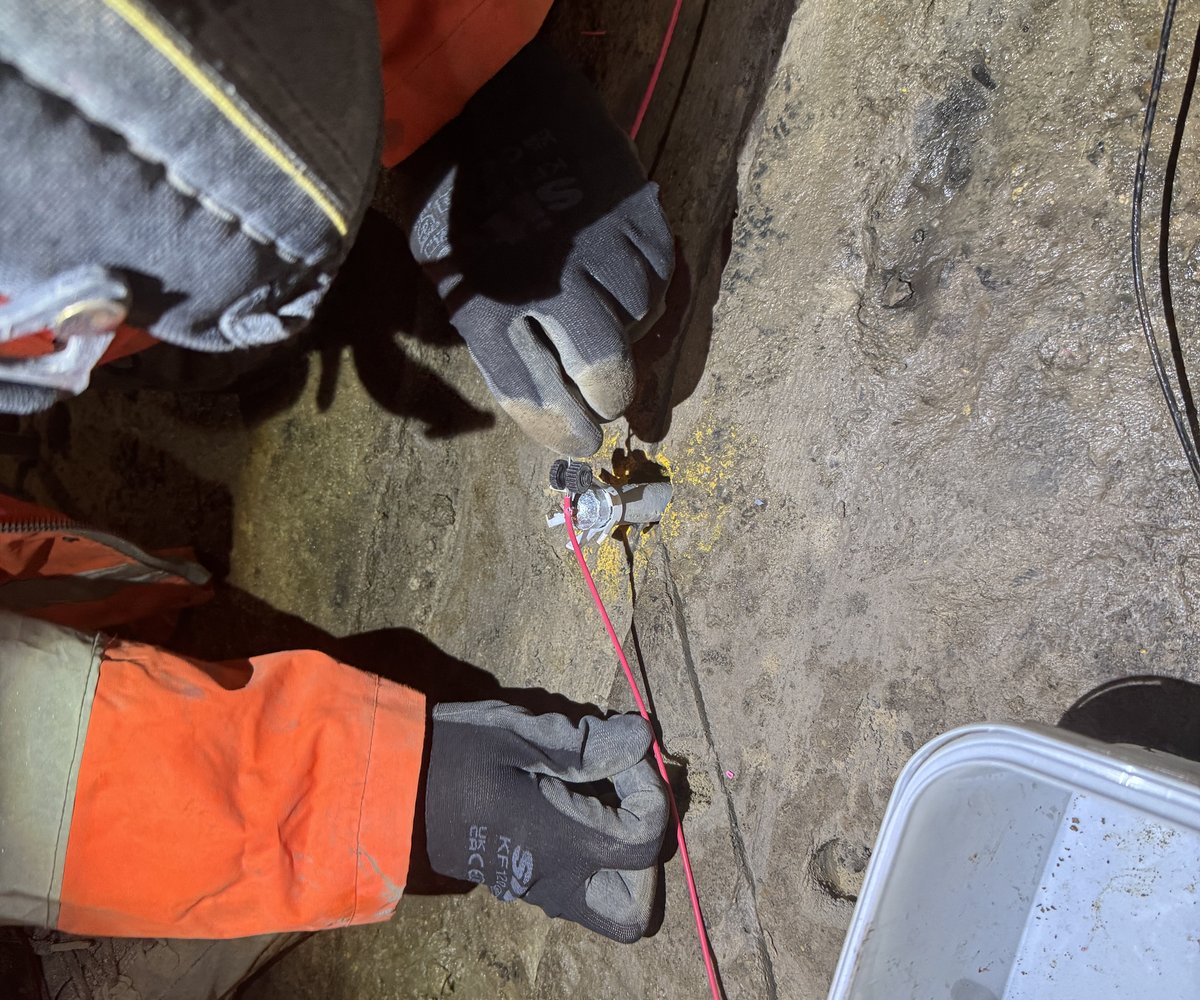
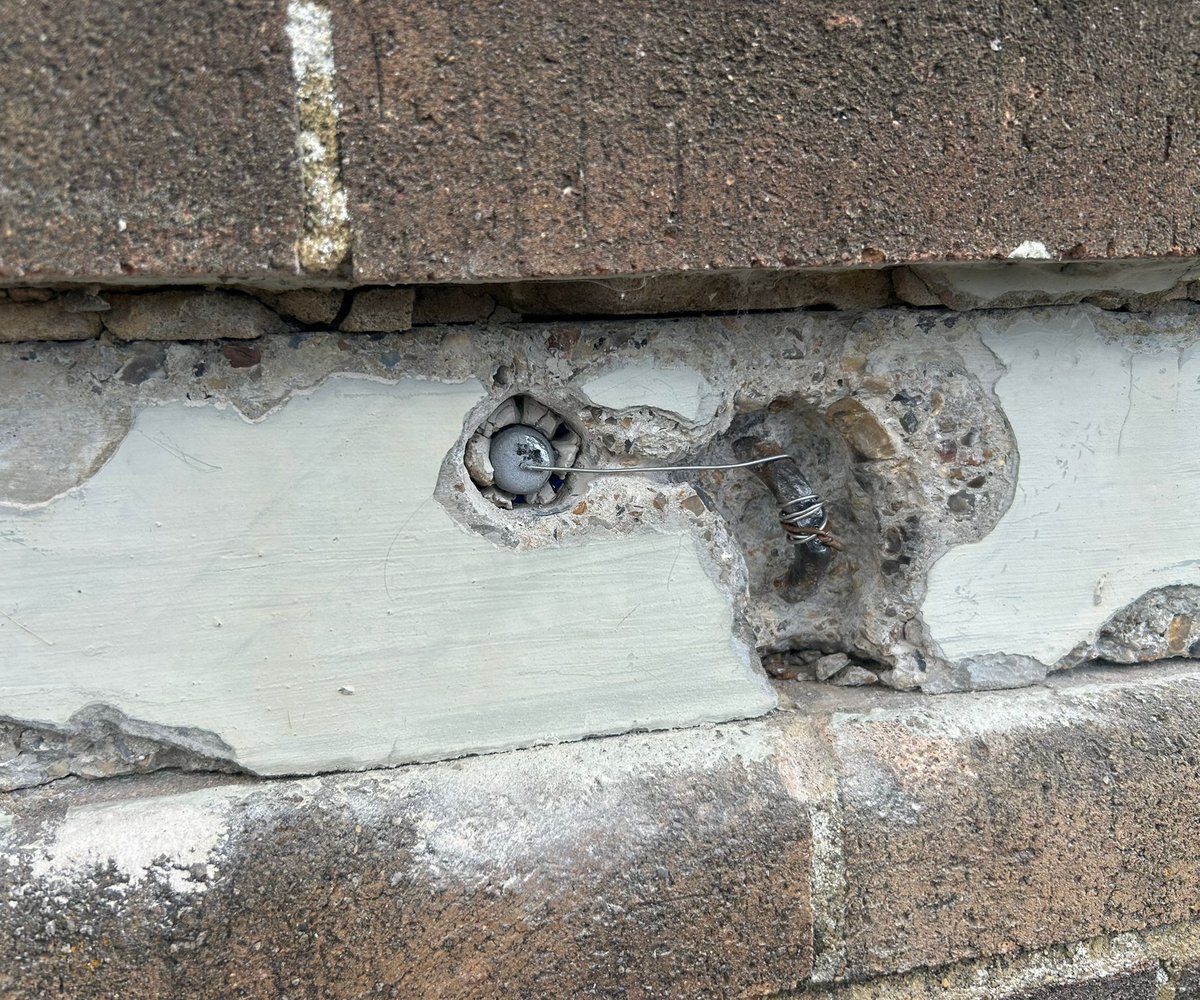
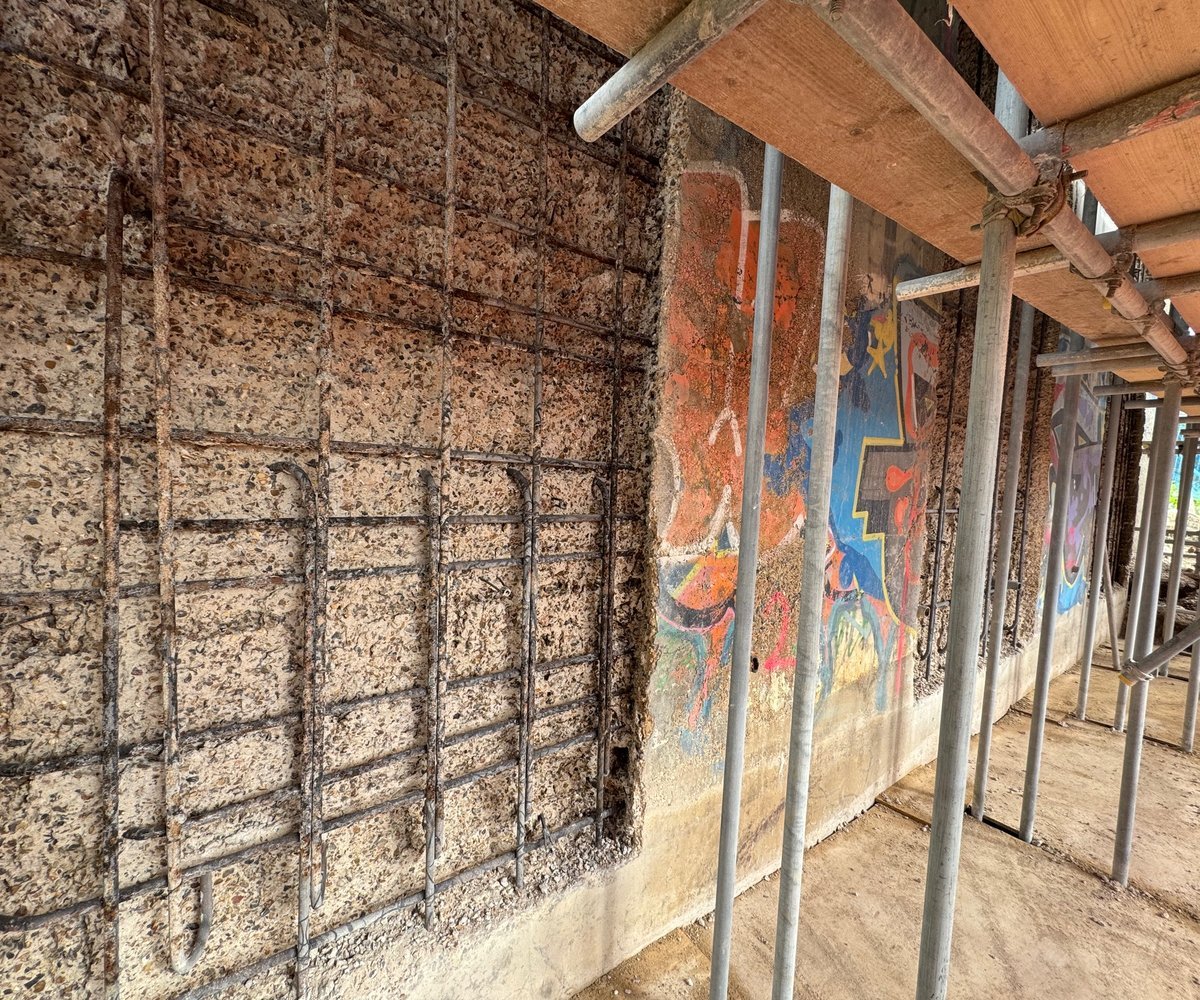
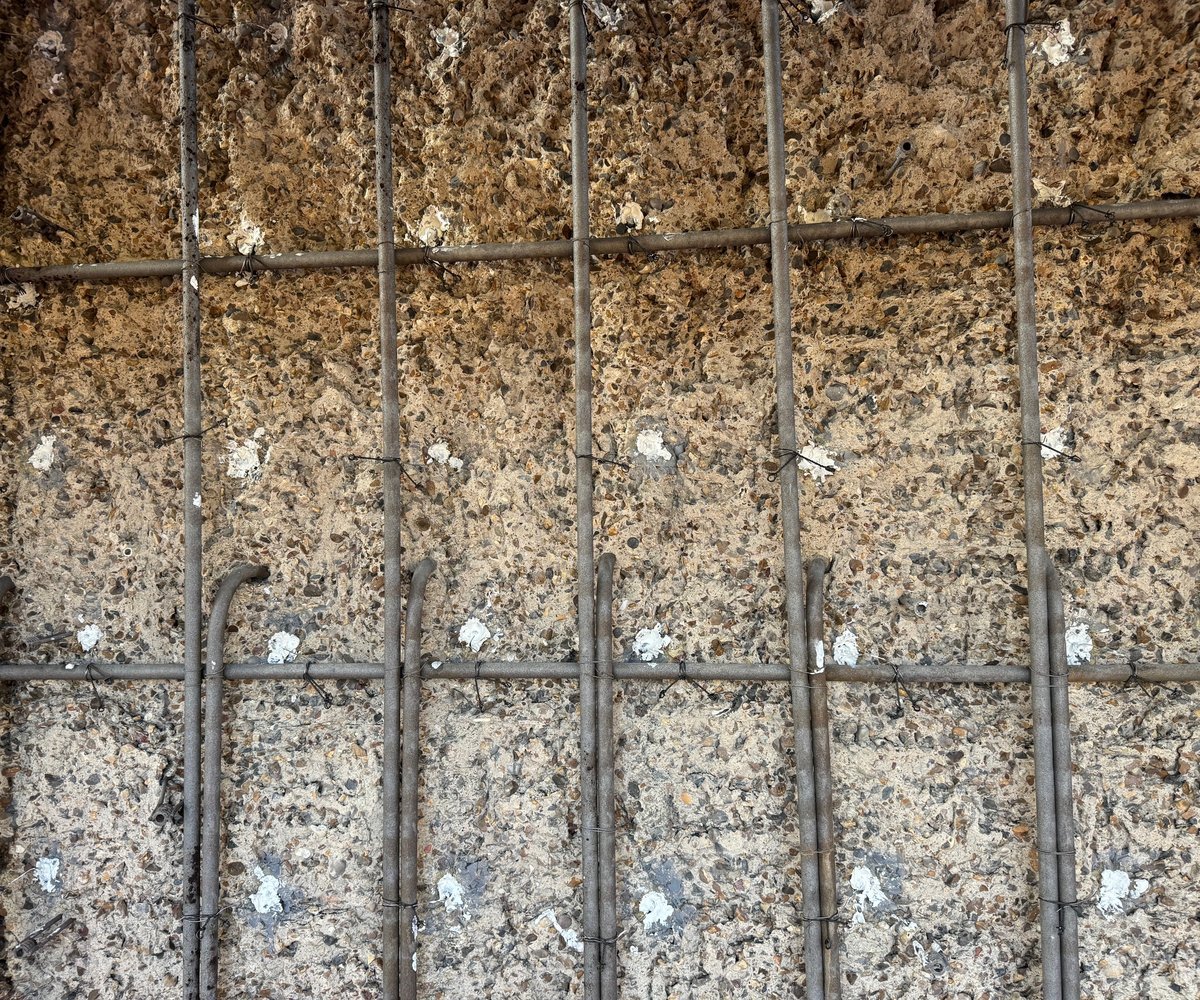
Discrete galvanic (sacrificial) anodes are set in drilled holes in the parent concrete around the edge of each repair and connected directly to the cleaned reinforcement. The anode corrodes in preference to the steel, delivering protective current to the reinforcement outside the repair, where the risk of renewed corrosion is greatest.

Anode spacing is set by design to suit the structure, typically between 250mm and 350mm centres. We install PatchGuard anodes, which allow standard bonding primers and repair mortars to be used in the reinstatement.

Hybrid Cathodic Protection

Hybrid systems such as DuoGuard work in two stages. The anodes are first powered by a temporary supply, typically for around a week, which draws chloride towards the anodes and builds a protective alkaline layer at the steel. They are then connected directly to the reinforcement and continue to protect it as galvanic anodes, with no long-term power supply needed.

This makes hybrid systems well suited to chloride contaminated structures such as highway bridges. We are trained in the installation of the DuoGuard hybrid system.

Continuity Testing

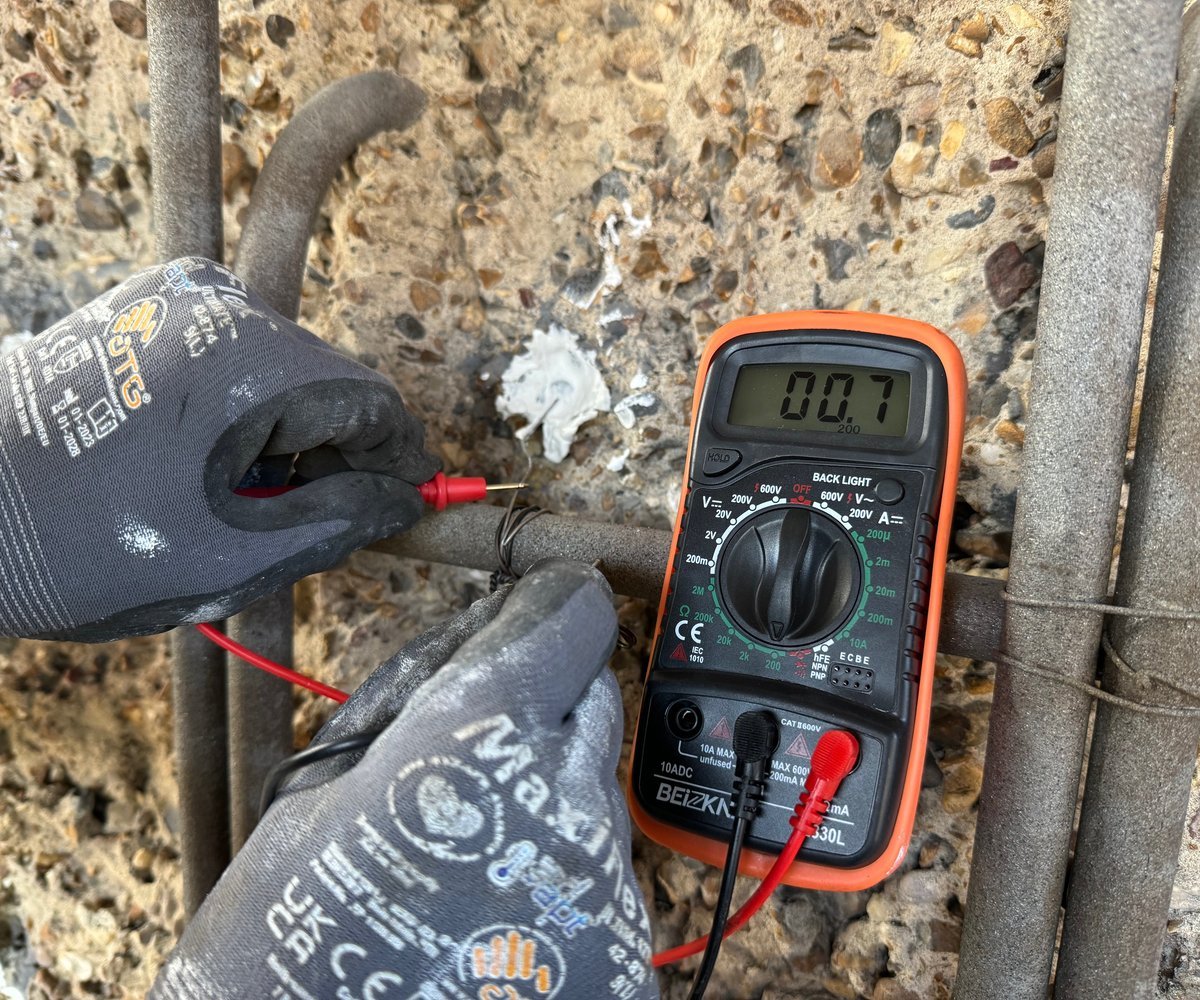
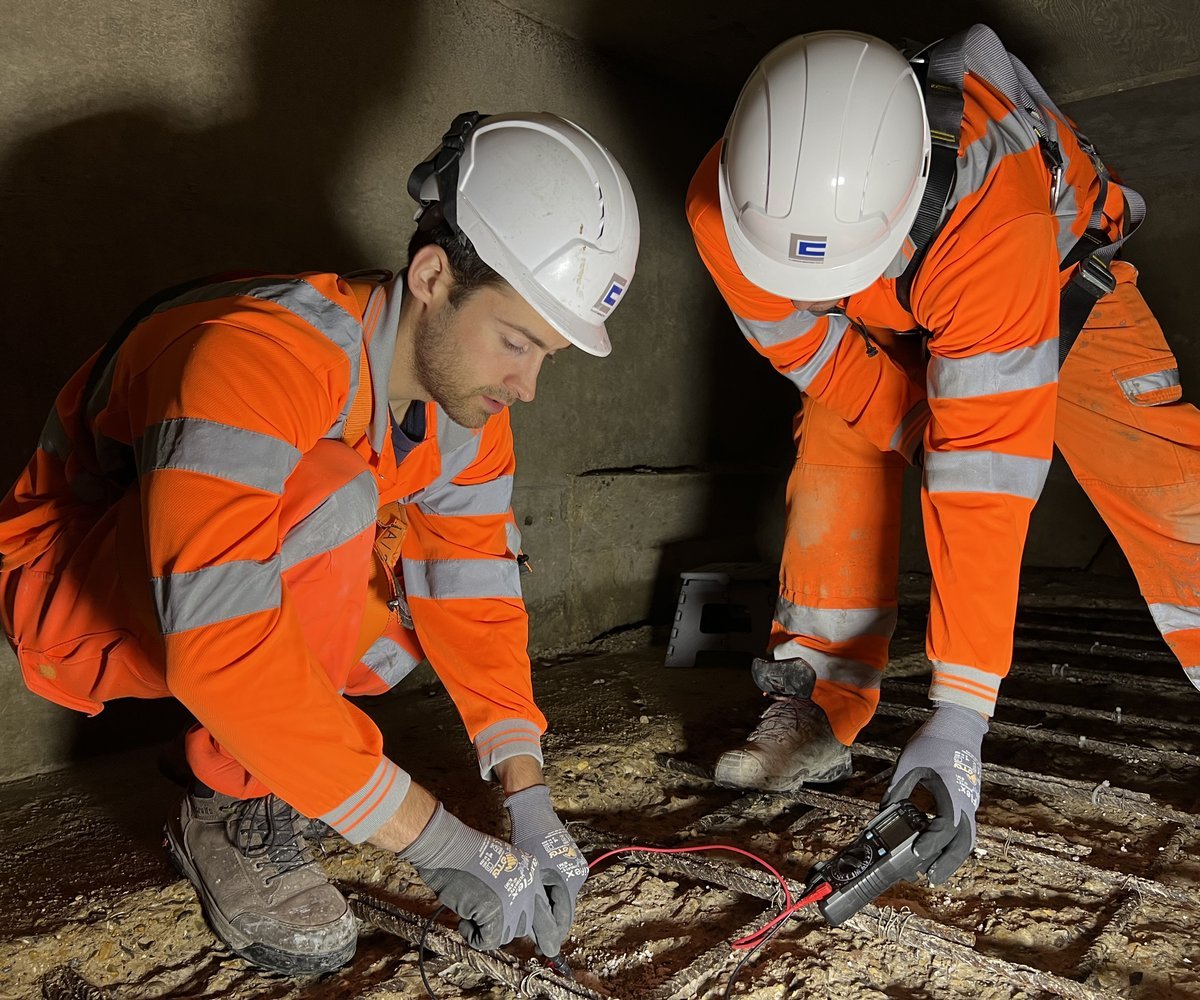
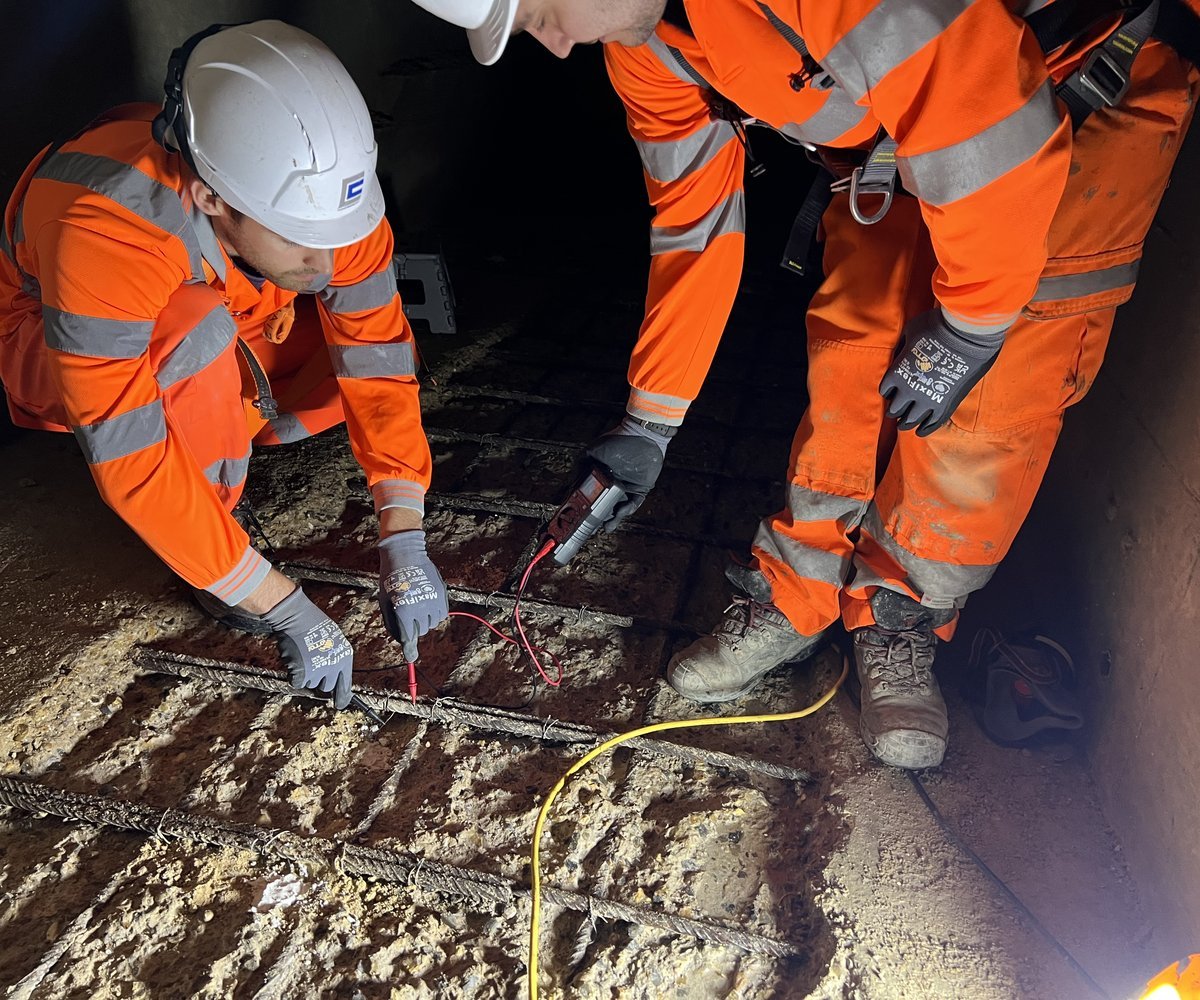
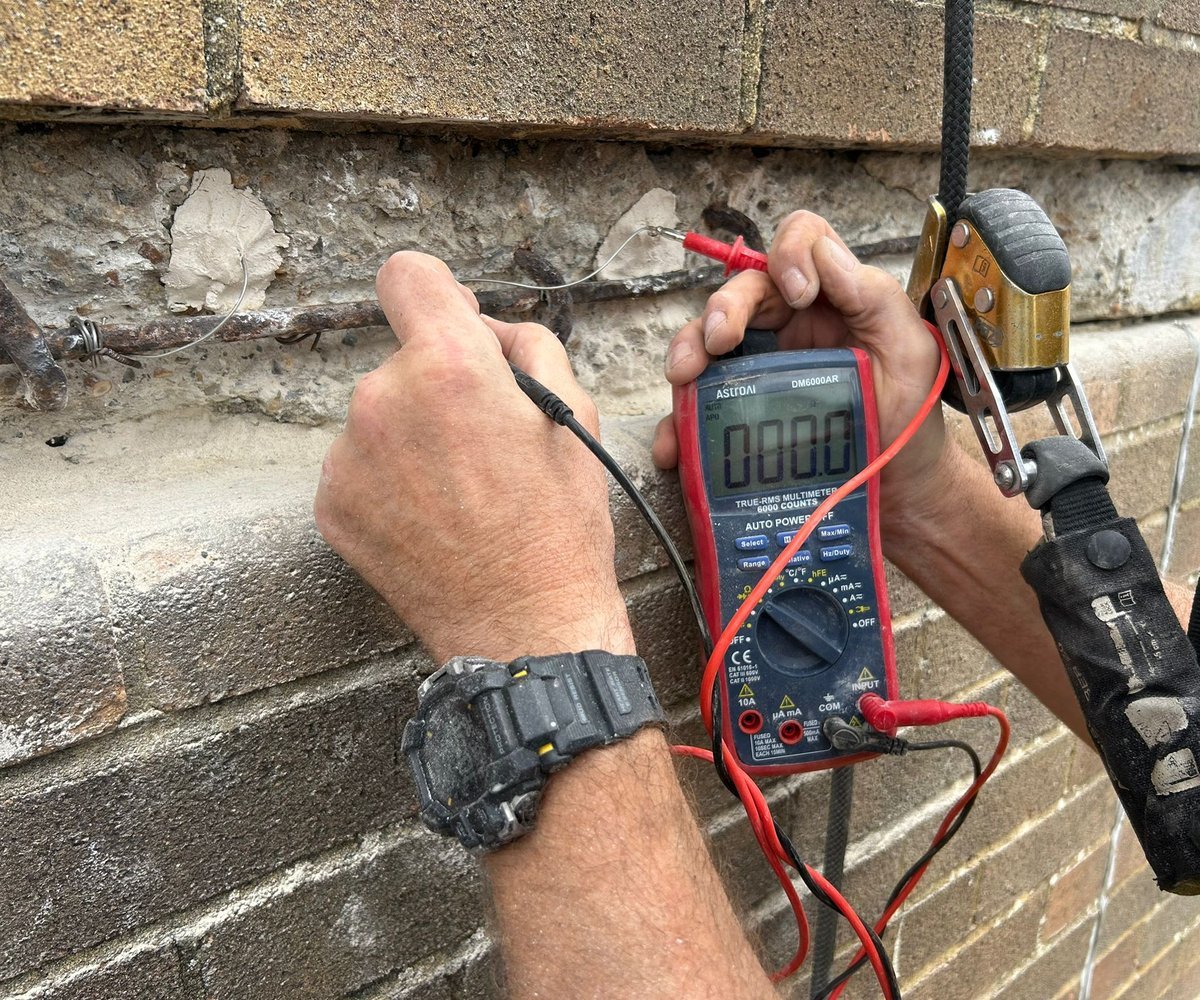
An anode only protects the steel it is electrically connected to. We test the continuity of every anode connection with a multimeter before the repair is reinstated. On larger schemes the readings are recorded against the anode layout drawings: at Fort Road Bridge over 1,000 readings were taken, every one within the designer’s limit of 1 ohm.

Investigation & Design

Corrosion control works best when it is specified from good data. Our surveys measure chloride content, carbonation depth, cover and half-cell potential to show where the reinforcement is at risk. From those results we produce the corrosion control design for each structure, including the choice of system, anode layouts and spacing, and the specification for the works.

Corrosion control projects

Fort Road Bridge

Travellers Lane Bridge

Kingsmead Viaduct

Boots, Folkestone

Princess Alexandra Hospital

Talk to us today

See how we can help, with a no-obligation initial discussion.

Contact us